A Wyckoff Consulting Thought Paper
A transaction can create value on paper. The market decides whether that value becomes real.
The announcement is out.
The deal is signed. The lawyers, bankers, accountants and leadership teams have spent months getting the transaction across the finish line.
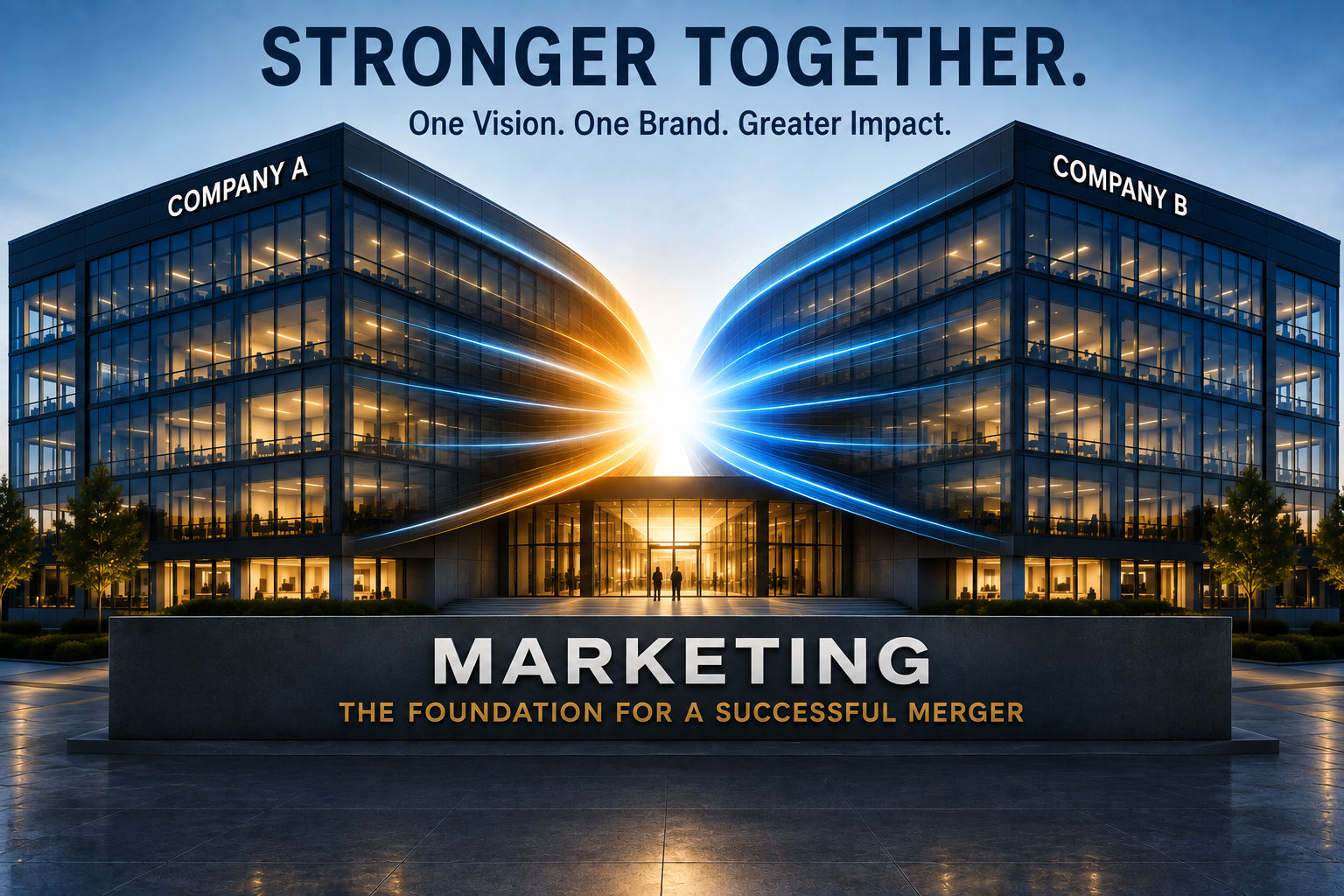
Now two companies have to become one business in the eyes of employees, customers, prospects and the market.
This is where marketing becomes far more than communications.
For established companies in the $3 million to $50 million range, a merger or acquisition can be one of the fastest ways to create growth, expand capabilities, enter new markets and increase enterprise value. It can also create confusion at exactly the moment the company needs confidence.
Customers wonder what changes. Employees tell different stories. Sales teams keep using old materials. Two websites compete for attention. Brands overlap. Leads get lost. Competitors exploit the uncertainty.
And while leadership is focused on integration, the market is forming an opinion about the new company.
Here are three marketing mistakes I would work aggressively to prevent.
Mistake #1: Waiting Until the Deal Closes to Build the Market Story
The legal transaction may have a closing date. The market transition does not.
Too many companies treat marketing as something to address after the attorneys finish the paperwork. By then, customers, employees and competitors are already asking questions.
Why did these companies come together? What is better now? What changes for customers? Which name survives? What happens to products, services, locations and people? Why should the market care?
If leadership does not answer those questions quickly and consistently, the market will answer them for you.
And uncertainty creates friction.
A strong M&A story should explain more than the transaction. It should explain the strategic value of the combined company in language customers actually care about.
How Wyckoff Mitigates the Risk
A Fractional CMO can enter the process before close and build the go-to-market narrative alongside the executive team: the positioning, customer message, internal talking points, launch sequence, sales tools and communication plan.
The objective is simple: when the deal becomes public, everyone should understand not only what happened—but why the combined company is stronger.
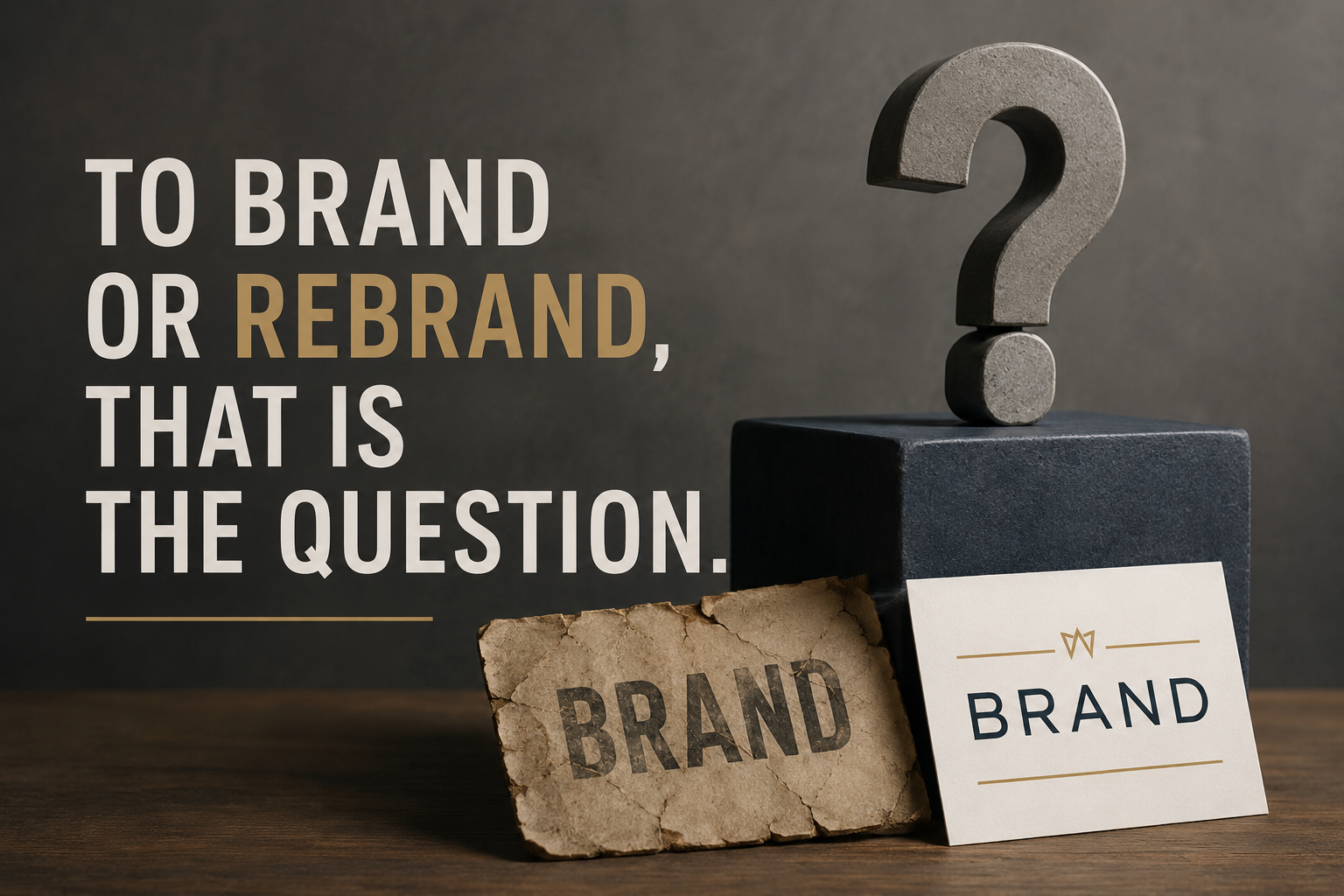
Mistake #2: Trying to Protect Two Histories Instead of Building One Future
M&A creates emotional attachment.
Both organizations have names, logos, websites, customers, traditions, terminology and people who are proud of what they built. That history matters. But protecting every piece of both companies can create a confusing market presence.
Which company are we now? Which brand leads? Do we keep both names? Which value proposition wins? Which website owns search? What does sales say? What should customers call us?
The worst outcome is often the compromise brand: two logos, two stories and a vague message designed not to offend anyone internally.
Customers do not reward internal compromise. They reward clarity.
The combined company needs a deliberate position built around the future value proposition—not an organizational chart stitched together from the past.
How Wyckoff Mitigates the Risk
Wyckoff Consulting provides an objective executive voice when internal politics can make brand decisions difficult. We evaluate brand equity, customer recognition, market position, digital presence, competitive differentiation and future growth strategy before recommending what stays, what changes and what disappears.
The question is not “How do we make everyone happy?” It is “What brand architecture gives the combined company the best chance to win?”
Mistake #3: Assuming Customers and Sales Will Figure It Out
They will not.
During integration, leadership often focuses heavily on systems, finance, HR, operations and organizational structure. Meanwhile, the people closest to revenue are left improvising.
One salesperson uses the old deck. Another uses the new logo but the old value proposition. Account managers give customers different answers. Marketing campaigns continue under legacy brands. Cross-selling opportunities exist, but nobody has clearly defined who should sell what to whom.
This is how a strategic acquisition can lose commercial momentum.
The first months after a transaction should create energy in the market—not uncertainty.
How Wyckoff Mitigates the Risk
A Fractional CMO can create one commercial playbook for the combined organization: one market story, aligned sales messaging, customer segmentation, cross-sell strategy, digital migration plan, launch priorities and measurable revenue objectives.
Marketing becomes the connective tissue between the deal thesis and what customers actually experience.
The Hidden Risk: Losing Revenue While Everyone Is Busy Integrating
M&A is distracting by nature.
Executives are in integration meetings. Employees are worried about jobs. Systems are changing. Reporting structures are moving. Customers are watching.
Your competitors know this.
They may call your best customers and ask whether service will change. They may recruit your best employees. They may tell prospects the acquisition has created uncertainty.
That is why marketing leadership during M&A cannot simply be a communications function.
It has to protect revenue, preserve confidence and turn the transaction into a market advantage.
Three Questions Every CEO Should Ask
1. Can every employee and salesperson explain in 30 seconds why this transaction makes us better?
If the story is unclear internally, it will be even less clear externally.
2. Have we decided what the market should believe about the combined company?
Do not confuse a new organizational structure with a new market position.
3. What revenue opportunities—and revenue risks—exist because of this transaction?
Identify customer retention, cross-sell, new-market and competitive risks before they become surprises.
What a Fractional CMO Brings to the Table
A merger or acquisition creates a temporary need for unusually senior marketing leadership at exactly the time the existing organization may already be stretched.
That is where the Fractional CMO model can be particularly valuable.
Wyckoff Consulting can sit alongside the CEO, executive team, deal team and sales leadership to translate the transaction into a commercial strategy.
Position the combined company. Define what the new organization stands for and why the market should care.
Protect customer confidence. Build proactive communications before uncertainty creates churn.
Align sales and marketing. Give both teams one message, one set of priorities and one commercial direction.
Rationalize the brands. Determine what to keep, combine, retire or reposition.
Capture cross-sell opportunity. Turn the combined customer base into a deliberate growth strategy.
Create integration speed. Make decisions quickly so marketing does not become another integration bottleneck.
Measure commercial impact. Track retention, pipeline, cross-sell, brand migration and growth against the deal thesis.
The Transaction Is Not the Strategy
Buying a company does not automatically create growth.
Combining two brands does not automatically create a stronger brand.
Combining two sales teams does not automatically create more revenue.
The value is created when the market understands the advantage of the combined company—and customers respond.
For companies navigating a merger or acquisition, marketing should be involved early enough to shape that outcome, not late enough to announce it.
Wyckoff Consulting helps established companies bring executive marketing leadership into the M&A process—creating clarity, alignment and execution speed when the business can least afford confusion.
The deal may close in a day. Winning the market after the deal takes a strategy.
— Luke Wyckoff
Founder, Wyckoff Consulting